Practice Schedule
Dec 16, 2025
How to Practice Guitar with a Busy Schedule
You don't need hours of free time to get better at guitar. Learn how to use "Micro-Practice" to fit meaningful progress into your daily life.
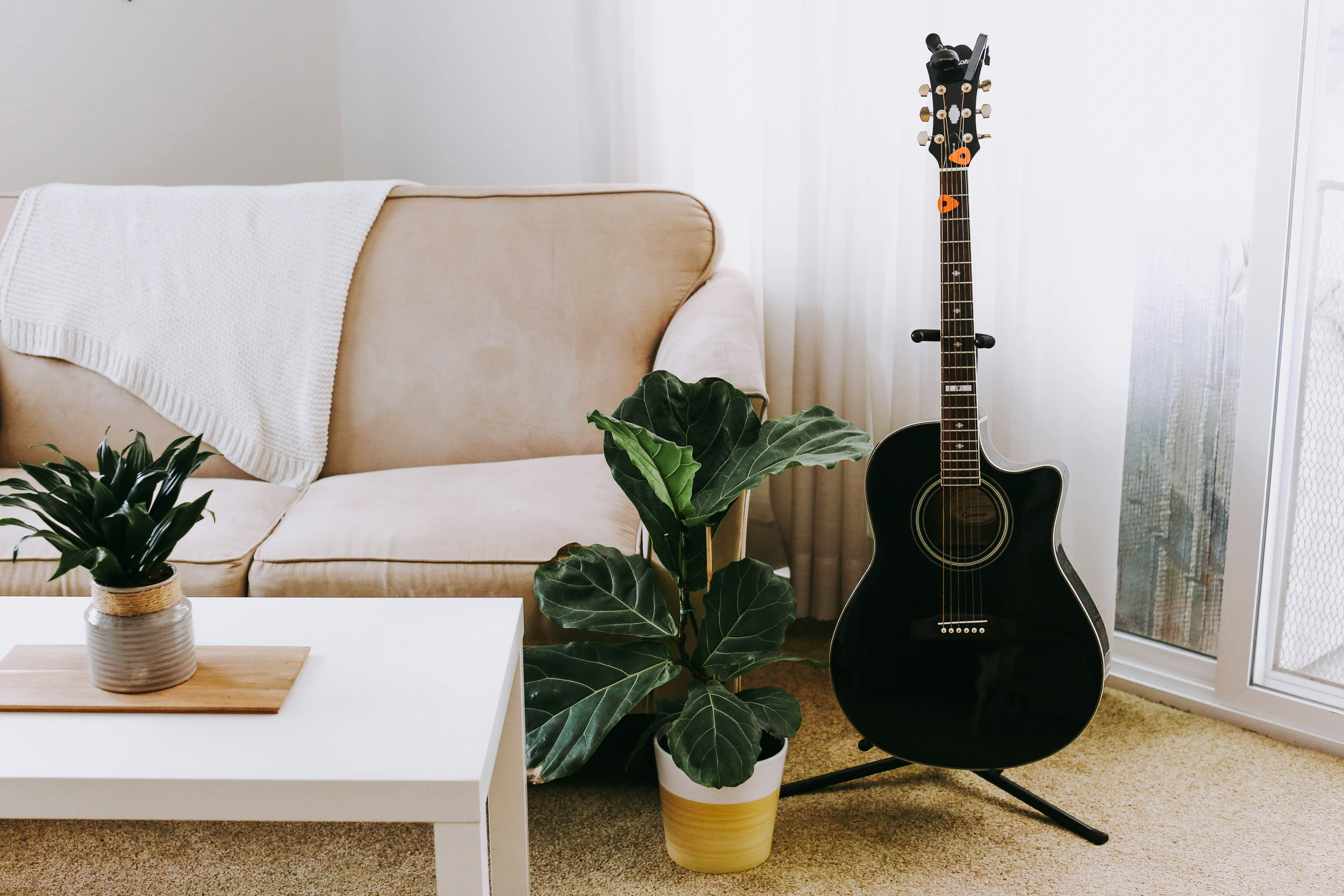
Learn how to make real progress on the guitar without needing hours of free time every day.
Key Takeaways
Frequency Beats Length: Practicing for 15 minutes every day is much better than practicing for 3 hours once a week.
Keep the Guitar Visible: If your guitar is in its case, you won't play it. Keep it on a stand in a high-traffic room.
Use "Micro-Practice": Five minutes while your coffee brews is enough time to work on one specific chord or riff.
Have a Plan: Don't waste time wondering what to play. Have one specific goal for every session.
The Myth of the "Two-Hour Practice"
Many people think that if they don't have a full hour to sit down with their guitar, it isn't worth practicing at all. This is the biggest reason why busy players stop improving.
The truth is that your brain learns better in short, frequent bursts. Think of it like a workout: you'll get better results from a short daily walk than from a marathon once a month.
Reducing "Friction"
"Friction" is anything that stands between you and your guitar. The more steps it takes to start playing, the less likely you are to do it.
Keep the Guitar Out
A guitar inside a case is a guitar that doesn't get played. Buy a simple floor stand or a wall hanger and put your guitar in the room where you spend the most time. If you can grab the instrument and start playing in three seconds, you’ll find yourself practicing much more often.
Clear the Workspace
Keep your pick, your tuner, and your sheet music (or tablet) in the same spot as your guitar. When you have five minutes of downtime, you shouldn't have to spend four of those minutes looking for a pick.
The 15-Minute Daily Routine
If you only have 15 minutes, here is how to spend them to get the most "bang for your buck."
Warm-Up (2 Minutes): Play a simple scale or just wiggle your fingers across the frets to get the blood flowing.
The "Hard Stuff" (8 Minutes): Work on one specific thing that is difficult for you. This could be a new chord transition or a tricky part of a solo.
Fun/Review (5 Minutes): Play something you already know and love. This ensures you end the session feeling good about your progress.
Making Use of "Dead Time"
We all have "dead time" throughout the day—waiting for the microwave, sitting on a long phone call, or waiting for a meeting to start.
If your guitar is nearby, you can use these 2-minute gaps to practice one single chord shape. These "micro-sessions" add up. By the end of the day, you might have practiced for 20 minutes without ever officially "sitting down to practice."
Final Thoughts (H3)
Progress on the guitar is about showing up every day, even if it's only for a few minutes. You don't need a perfectly clear schedule to become a great player; you just need to make the guitar a part of your daily environment.