Foundations
Nov 25, 2025
Slow Practice Is a Skill — And You're Probably Doing It Wrong
'Just play it slowly' is the most useless advice in guitar. Here's how slow practice actually builds clean speed — using the threshold method.
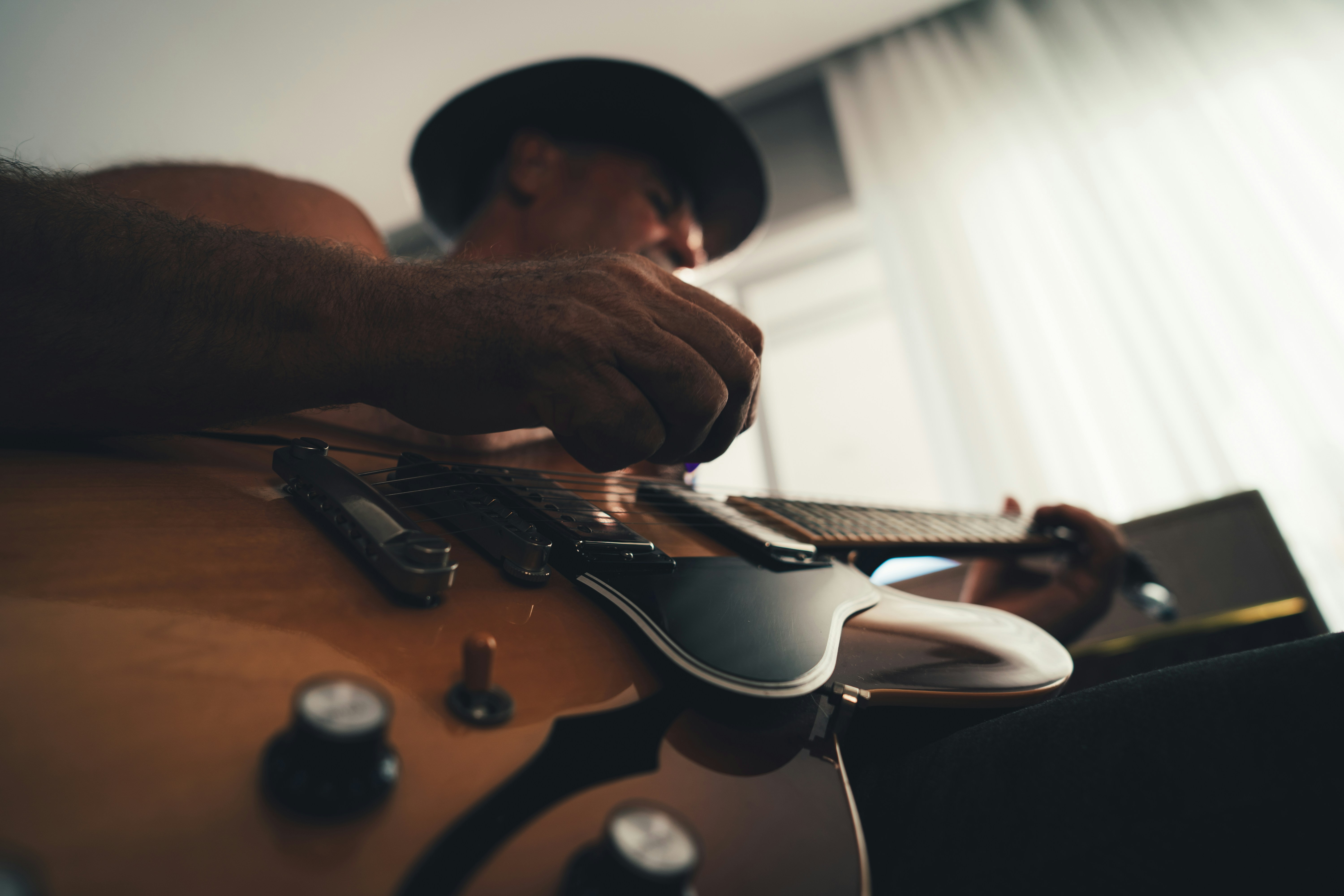
"Just play it slowly" is the most useless advice in guitar — and the most repeated.
Key Takeaways
Slow Without Awareness Is Slow Waste: If you don't know what specifically you're fixing, slowing down doesn't help.
The Threshold Method: Find the exact tempo where mistakes appear, then practice just below it.
Slow Practice Has Mechanics Risks: The motion you use slowly can be different from the motion you need fast.
Alternate Slow and Fast: The most effective practice rotates between deliberate slow reps and brief fast attempts.
Why "Slow It Down" Often Doesn't Work
Every beginner has heard it. Can't play that lick? Slow it down. Wrong notes? Slow it down. Sloppy chord change? Slow it down. The advice is so universal that nobody questions it — and that's the problem, because it's only half right.
Here's what happens when you take "slow it down" without understanding what slow practice is for: you play the lick at half speed, hit all the notes correctly, feel like you've fixed the problem, and then bump the tempo back up. The mistakes immediately come back. You haven't built anything. You've just rehearsed the slow version, which doesn't transfer.
Slow Is a Diagnostic Mode
The point of slow practice isn't to play the lick slowly. The point is to see what's actually breaking when you play it fast. Slow practice without that diagnostic intent is just slow playing — and slow playing on its own doesn't get you to fast clean playing.
The Threshold Method
There's a specific tempo for any given passage where your hands just barely fall apart. That's your threshold. Below it, the lick is clean. At or above it, mistakes appear. The threshold is the most valuable piece of information you can have when learning a passage.
Find the Floor: Set the metronome at a tempo so slow you can play the lick perfectly. 50 BPM is a good starting point for most riffs.
Climb in Increments: Bump the BPM up by 5. Play it again. Still clean? Bump 5 more. Still clean? Keep going.
Mark the Threshold: The first tempo where you make a mistake is your threshold. Write it down. This is the tempo where work needs to happen.
Drill Just Below: Drop back 5 BPM under the threshold. That's your practice tempo. Stay there until you can play it clean five times in a row, then test the threshold again.
Each time you can clear the threshold cleanly, raise it. The progression is gradual — 5 BPM at a time, sometimes 2 BPM — but it's measurable. You watch the threshold tempo climb.
The Hidden Trap of Slow Practice
Some guitar mechanics actually change at higher speeds. The way you hold the pick, the angle of your wrist, the height of your fingers — all can require small adjustments at fast tempos that aren't necessary at slow ones. If you only ever practice slowly, you risk grooving in habits that won't survive at performance speed.
Brief Fast Tests
Every five or ten threshold drills, throw in a short fast attempt — even at the target tempo, even if it falls apart. The point isn't to play it cleanly fast. The point is to remember what your hands need to do mechanically when speed is the goal. Then drop back to threshold practice with that information in mind.
This rotation — slow with awareness, brief fast tests, back to slow — is what builds clean speed. Pure slow practice or pure fast practice both leave gaps.
Final Thoughts
"Slow it down" is good advice that becomes useless when nobody tells you what slow practice is supposed to accomplish. It's a diagnostic tool, not a magic spell. Find the threshold. Practice just below it. Test the limit. Move it up. That's the version of slow practice that actually leads somewhere — and it's a different sport from mindlessly running a riff at half tempo and hoping speed shows up later.
Further Reading
→ Minimum Pressure Guitar — Speed builds from light pressure, not slow repetition.
→ The Metronome Isn't Your Enemy — The tool that reveals when you're actually at threshold.