Mechanics
Jan 20, 2026
Spider Exercise Guitar — The Drill You're Doing Wrong
The spider isn't a finger-independence drill. It's a pressure-calibration tool with a three-week shelf life. Most players do it forever and get nothing.
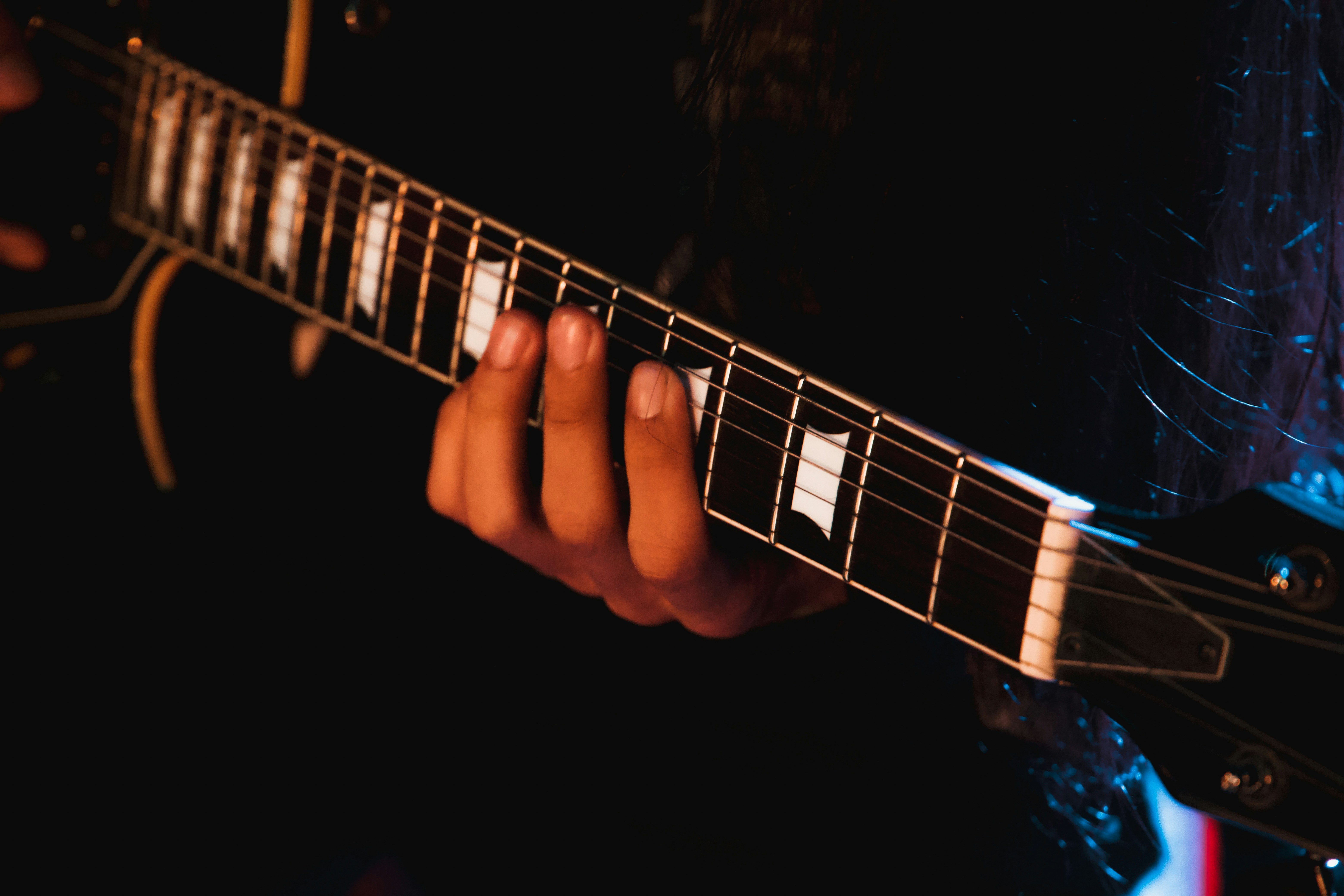
The spider is the most commonly run drill in guitar practice, and the most commonly misused. It is not an independence exercise. It is a pressure-calibration tool with a three-week shelf life.
Key Takeaways
The Spider Trains Pressure, Not Independence: Independence comes from chord shapes and scale work. The spider just teaches your fingers what minimum pressure feels like across four adjacent fingers.
Speed Ruins the Spider: Most players run it as a metronome workout. That defeats the entire point. Fast spiders are decorative, not productive.
Three Phases, Three Weeks: Pressure awareness, then pressure application, then graduation. The drill expires.
The Graduation Test: When you can run the spider without consciously thinking about pressure, you are done. Stop doing it.
Why Most Players Are Running It Backward
The spider drill — index, middle, ring, pinky in sequence across adjacent strings — looks like an independence exercise. Four fingers, four notes, repeat. The intuition is that running this fast trains your fingers to act independently.
It doesn't. Speed in the spider just reinforces whatever pressure habits you already have. If you run it with the death grip, you are practicing the death grip 240 times a minute. The spider's actual value is forcing you to fret four adjacent notes in slow succession, which is the cleanest possible context for noticing how much pressure each finger applies.
The Real Job of the Drill
Independence between the ring and pinky is built by chord shapes that demand it (look at the D7 or any add9 voicing) and by scale work that asks the pinky to carry weight. The spider, run slowly with awareness, builds something different: a four-finger pressure map. Each finger applies a slightly different amount of force by default. The spider lets you feel that and even it out.
The Three-Phase Pressure Spider
Run the spider on the D string only, frets 5 through 8. Index on 5, middle on 6, ring on 7, pinky on 8. One note at a time. Up the string, then back down. That's one rep.
Execution
Phase 1 — Pressure Test (Week 1): Run at roughly 40 BPM, one note per beat. On every note, ask: "Is this the minimum pressure that rings the note?" If not, lift slightly and try again. Five minutes a day, no more.
Phase 2 — Consistent Application (Weeks 2–3): Move to 80 BPM. The pressure attention is still active, but now you are checking that the lightness from week 1 holds at normal tempo. If it doesn't, slow down. The point is not speed.
Phase 3 — Graduation (End of Week 3): Run it once at 120 BPM. If your pressure stays even and light, you are done. Stop doing the spider. Use the calibrated pressure sense in actual scale and chord work.
What the Spider Doesn't Fix
If you've been doing the spider every day for months and your playing hasn't improved, this is why. The spider does not fix slow chord changes — that's chord-shape rehearsal. It does not fix weak pinky strength — that's scale work and wide-stretch chords. It does not fix poor timing — that's metronome work on real material. The spider has one narrow job: calibrating consistent light pressure across four adjacent fingers. Once that calibration is in, the drill is done.
What to Do Instead, Once You Graduate
After the spider, the work moves to chord-shape pressure scans and scale-pattern pressure awareness. Run a major scale at 60 BPM and audit each note the same way you audited spider notes. The spider's job was to wake up your awareness across four fingers. Now you take that awareness into music.
Final Thoughts
A drill that does not expire is rarely a drill. The spider has a job: three weeks, then retired. Most players never realize that and run the spider every day for years, wondering why their independence isn't improving.