Practice Schedule
Dec 23, 2025
Stop Practicing, Start Targeting: The Map Behind Real Progress
'Get better at guitar' isn't a goal — it's a wish. Replace vague aspirations with the One-Page Practice Map.
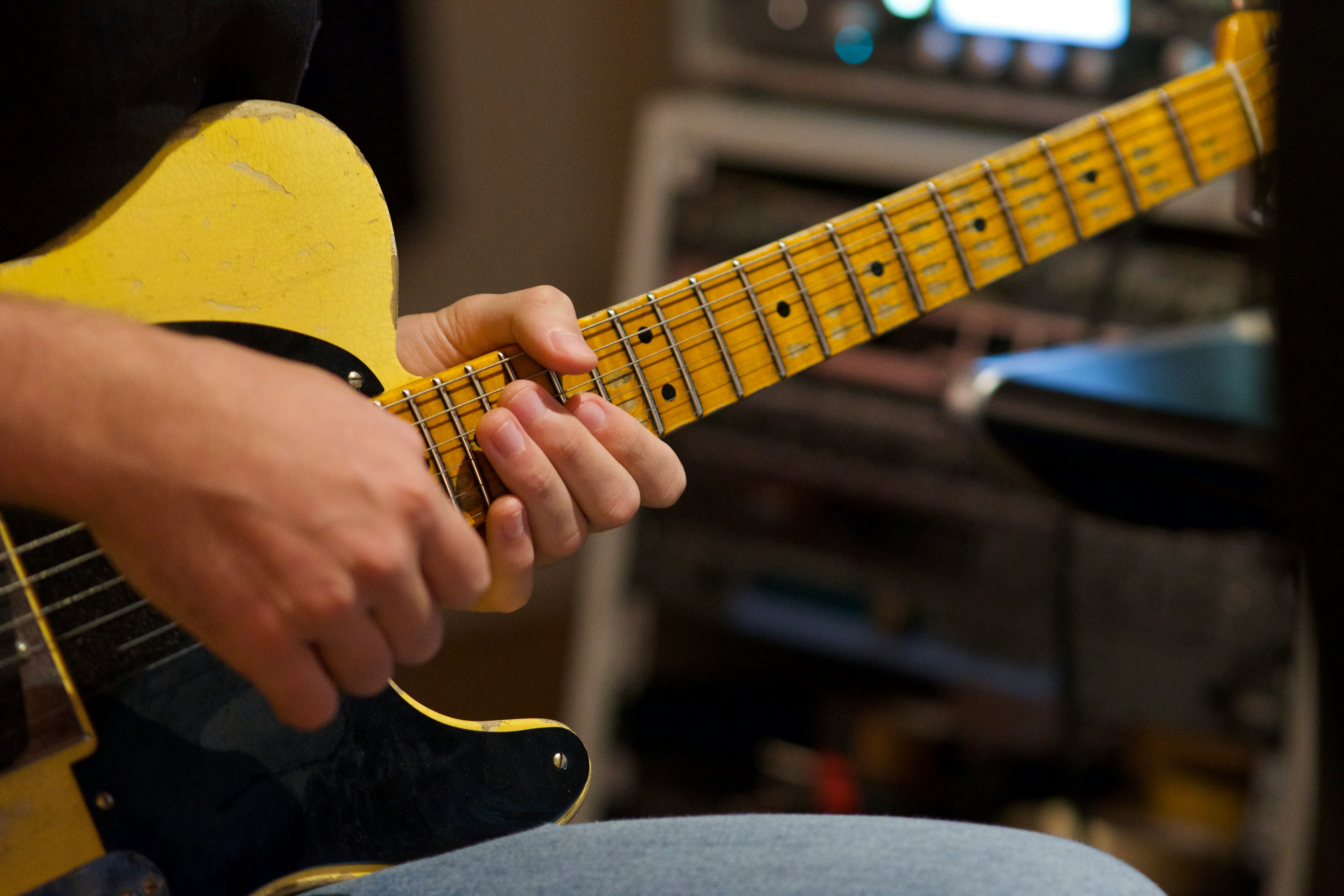
"I want to get better at guitar" isn't a goal. It's a wish. And wishes don't build muscle memory.
Key Takeaways
Vague Goals Produce Vague Practice: If you can't measure it, you can't improve it.
The One-Page Practice Map: A single sheet that turns aspiration into specific daily targets.
Pick the Bar, Not the Song: Real targets are smaller than you think — usually a single passage, a single tempo, a single chord change.
Without a Target, You Default to Comfort: Aimless practice always slides back to whatever you already know.
Why "Just Get Better" Doesn't Work
When you sit down with the guitar and your goal is "get better," your brain has no idea where to point your attention. So it does what brains do when they have no instructions: it picks the path of least resistance. You strum some open chords. You noodle in a familiar scale. You play that one riff you've nailed.
That's not your discipline failing. That's what happens to anyone trying to work toward a goal that isn't actually a goal. "Get better" doesn't tell your fingers what to do. "Play this F-to-Bb transition cleanly at 90 BPM by Sunday" does.
The Smaller, the Sharper
Beginners often think targets need to be impressive — "learn the entire solo to Hotel California," "master jazz chords." Those aren't targets, they're projects. The right size for a daily target is something you could realistically work on for fifteen minutes and measure progress on by the end. A bar. A transition. A specific tempo bump.
The One-Page Practice Map
Before your next practice session, take three minutes and write this down — physically, on paper or in a notes app.
The Big Goal: The thing you eventually want to play. "Solo over a 12-bar blues in A." "Strum and sing Wonderwall all the way through." Be specific.
The Bottleneck: What's the one thing standing between you and that goal right now? Sloppy chord changes? Can't play in time? Don't know the scale shape?
This Week's Target: Pick one tiny piece of that bottleneck. "Get my G-to-D change clean at 80 BPM." Just that.
Today's Drill: The specific exercise you'll do today to chip away at this week's target. Five to fifteen minutes.
Stick the page somewhere visible. When you sit down to practice, you don't have to think — the page tells you where to point your attention.
Choosing Targets That Stretch You
A good target sits just past your current ability — close enough that you can imagine reaching it, far enough that you can't do it yet. If today's target is something you can already do, you're not practicing, you're rehearsing comfort. If it's something months away, you'll quit before you see progress.
The Two-Week Rule
Set targets you can hit in roughly two weeks. Long enough that they require real work. Short enough that you can feel yourself getting closer day by day. When you hit a target, write it down somewhere. Then pick the next one — usually a small bump in tempo, a slightly harder transition, the next bar of a song.
Two-week targets keep momentum going. Six-month targets are just wishes wearing different clothes.
Final Thoughts
The difference between guitarists who improve and guitarists who plateau isn't talent or hours logged. It's whether their practice has a target. Spend three minutes writing one before each session, and the same fifteen minutes of practice will produce three times the result. The guitar isn't slowing your progress. The lack of aim is.